
Pedestrian accidents can be devastating, causing serious injuries or even fatal consequences. In Texas, the legal concept of comparative fault plays a crucial role in these cases. Understanding how comparative fault works can significantly impact a victim’s ability to recover compensation through a personal injury claim. At Salazar & Velazquez, P.C., we are a dedicated law firm in Houston that fights tirelessly for our clients’ rights. In this blog, we’ll break down how comparative fault is determined in pedestrian accidents and what it means for your case.
What is Comparative Fault?
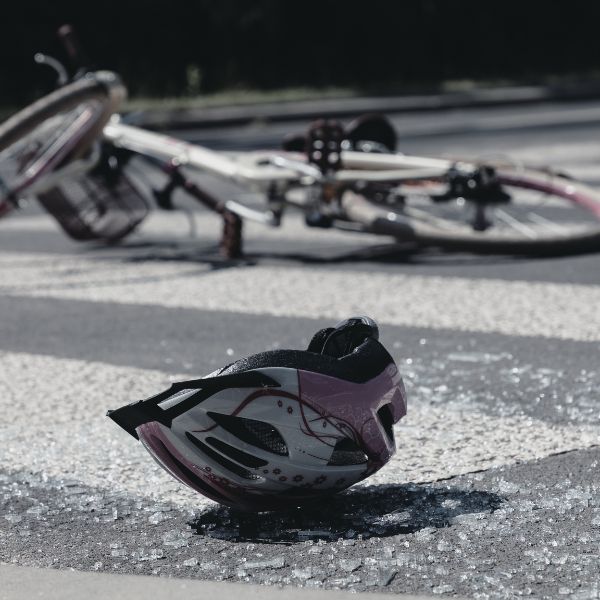
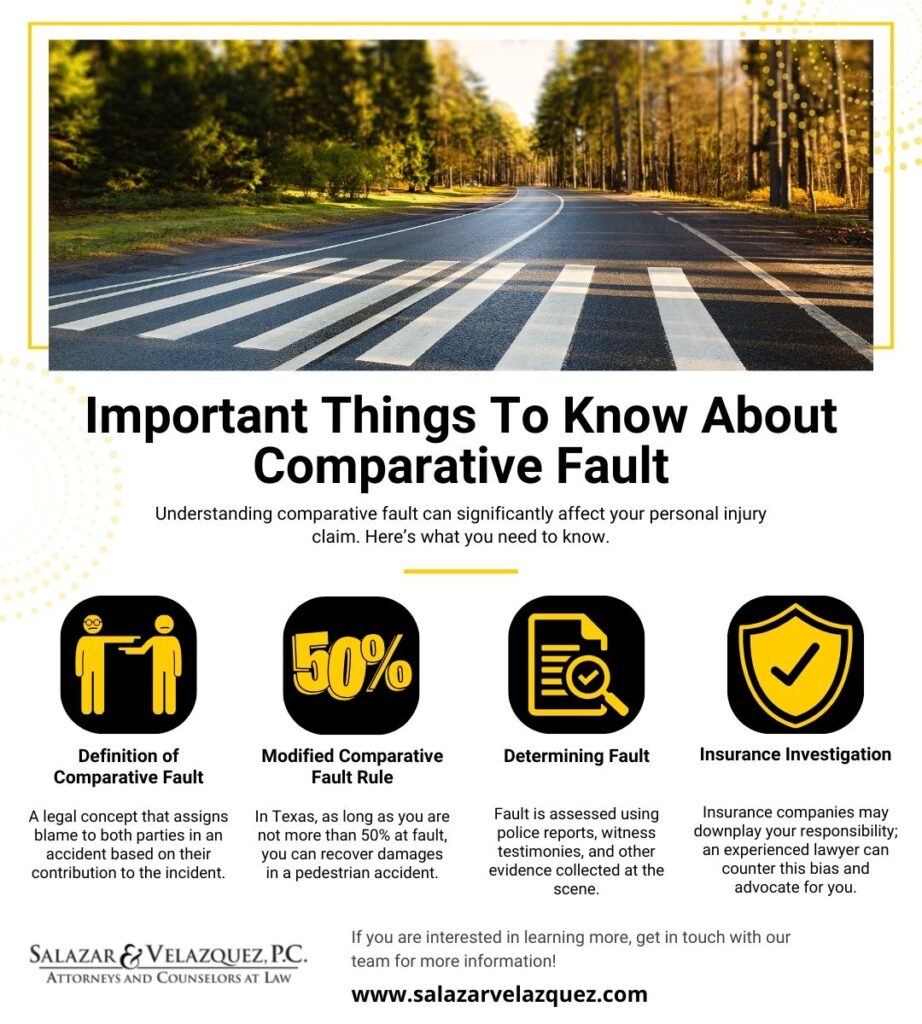
Comparative fault is a legal doctrine that assigns a percentage of fault to each party involved in an accident. In the context of pedestrian accidents, this means that both the driver and the pedestrian can be found at fault to varying degrees. Texas follows a “modified comparative fault” rule, allowing a pedestrian to recover damages as long as they are not more than 50% responsible for the accident.

The 50% Bar Rule in Texas
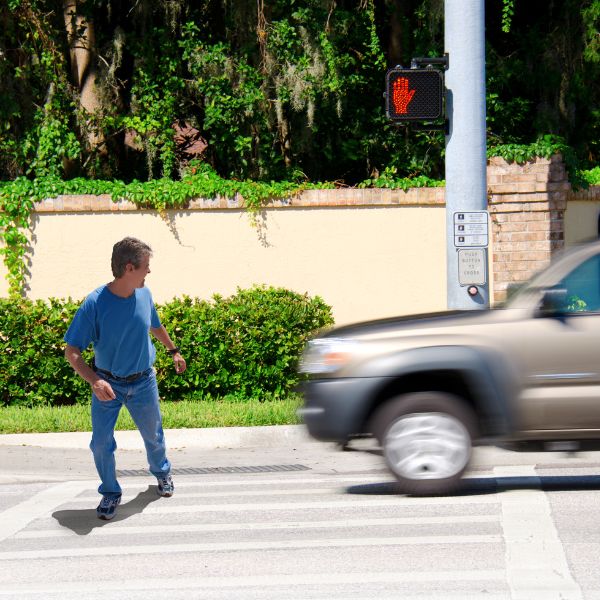
In Texas, if a pedestrian is determined to be 50% or more at fault for the accident, they will be barred from recovering any compensation. For example, if a pedestrian is texting while crossing the street and is struck, the court may find them partially responsible. If their percentage of fault is 51%, they cannot pursue a personal injury claim against the driver involved.
How Fault is Determined
Fault is determined through various types of evidence, such as police reports, witness statements, and traffic camera footage. Both parties may present evidence to support their claims. It is essential to have a personal injury lawyer in Houston who understands the complexities of how fault is evaluated to build a strong case.

The Impact of Insurance Companies
Insurance companies often conduct their investigations to determine fault, which can sometimes lead to biased conclusions aimed at reducing their liability. A thorough investigation by an experienced law firm in Houston can level the playing field. Our team at Salazar & Velazquez, P.C. can ensure that all relevant evidence supports your claim and your percentage of fault is correctly assessed.
The Importance of Documentation
Collecting and preserving evidence is crucial in pedestrian accidents. This can include photographs of the accident scene, medical records detailing injuries, and any communication with insurance companies. Detailed documentation can bolster your case and aid in determining a fair allocation of fault.
How a Personal Injury Lawyer Can Help
Navigating the complexities of comparative fault requires expert knowledge. A personal injury lawyer in Houston can help you understand your rights, negotiate with insurance companies, and advocate for maximum compensation. At Salazar & Velazquez, P.C., we dedicate ourselves to helping our clients secure just compensation based on the true facts of their cases.
Understanding how comparative fault works in pedestrian accidents is crucial for anyone seeking to file a personal injury claim in Texas. With its 50% bar rule, the nuances of fault can heavily influence your recovery options. If you’ve been injured in a pedestrian accident, it’s vital to seek legal representation from an experienced law firm in Houston. Contact Salazar & Velazquez, P.C. today for a free consultation. We are committed to fighting for your rights and helping you obtain the compensation you deserve.
Contact Us