
The rise of rideshare platforms has introduced new complexities to personal injury law in Houston. Unlike traditional vehicle collisions, accidents involving rideshare drivers often hinge on digital data stored within proprietary apps, GPS systems, and mobile devices. At Salazar & Velazquez, P.C., we understand that securing this information is frequently a critical step in determining which insurance policies might apply and identifying potential negligence after a serious crash. Our law firm in Houston is committed to leveraging modern technology to build the strongest possible case for our clients.
Establishing the Driver’s App Status
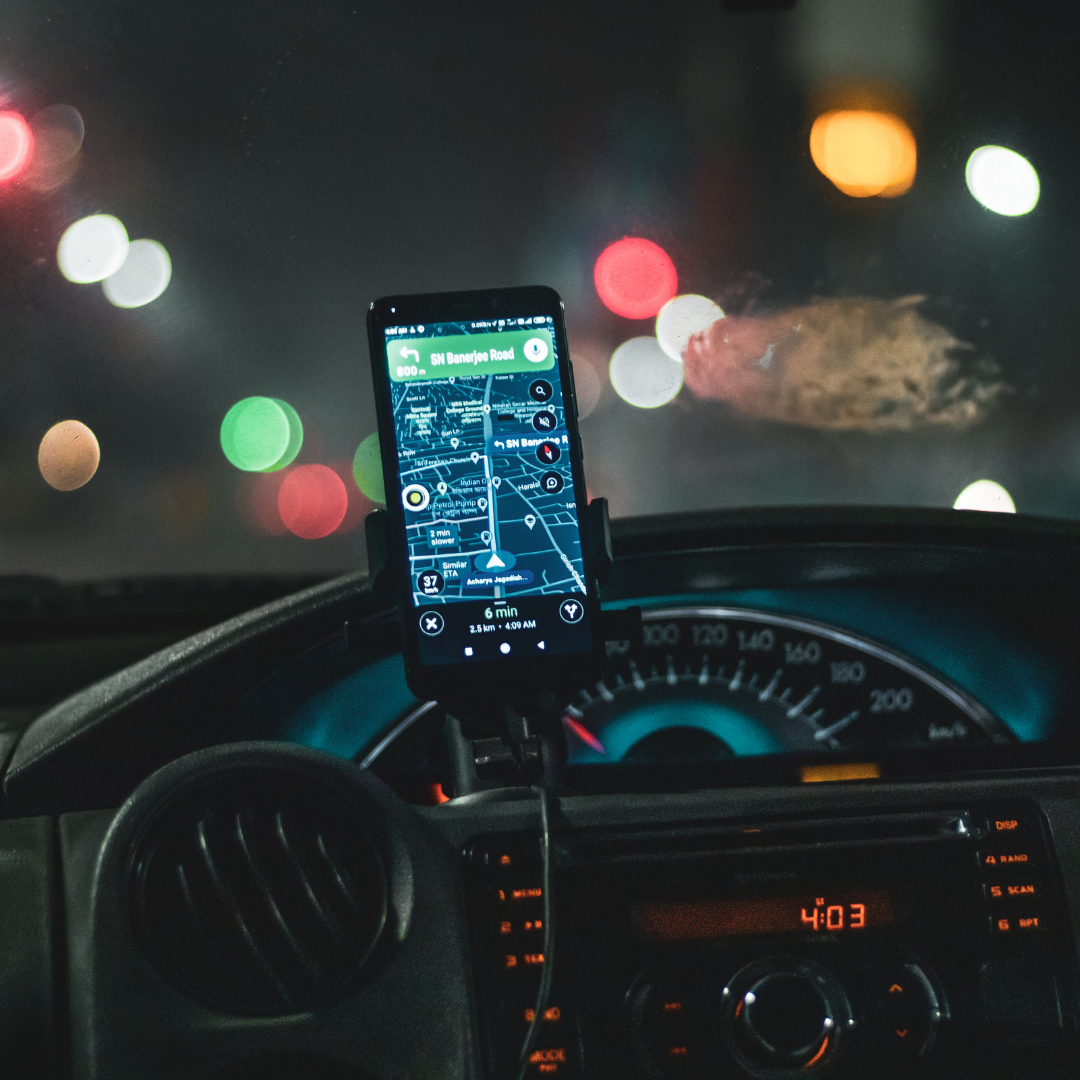
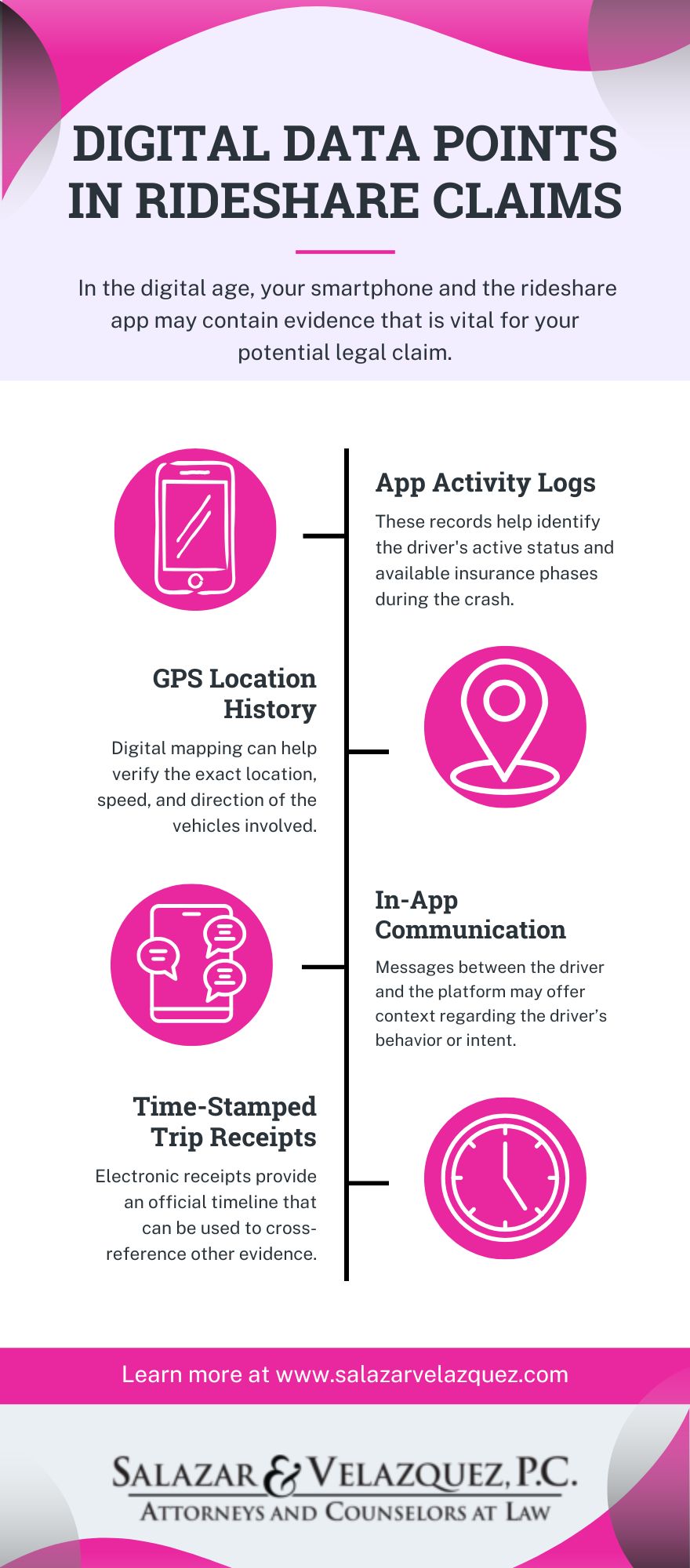
One of the most significant factors in a rideshare claim is the driver’s status at the time of the collision. Our personal injury lawyers work to obtain data that shows whether the driver was logged in, waiting for a request, or in the middle of a trip. This digital footprint is essential because it typically dictates the level of insurance coverage that could be available to the injured parties under Texas law.
The Importance of GPS and Telemetric Data
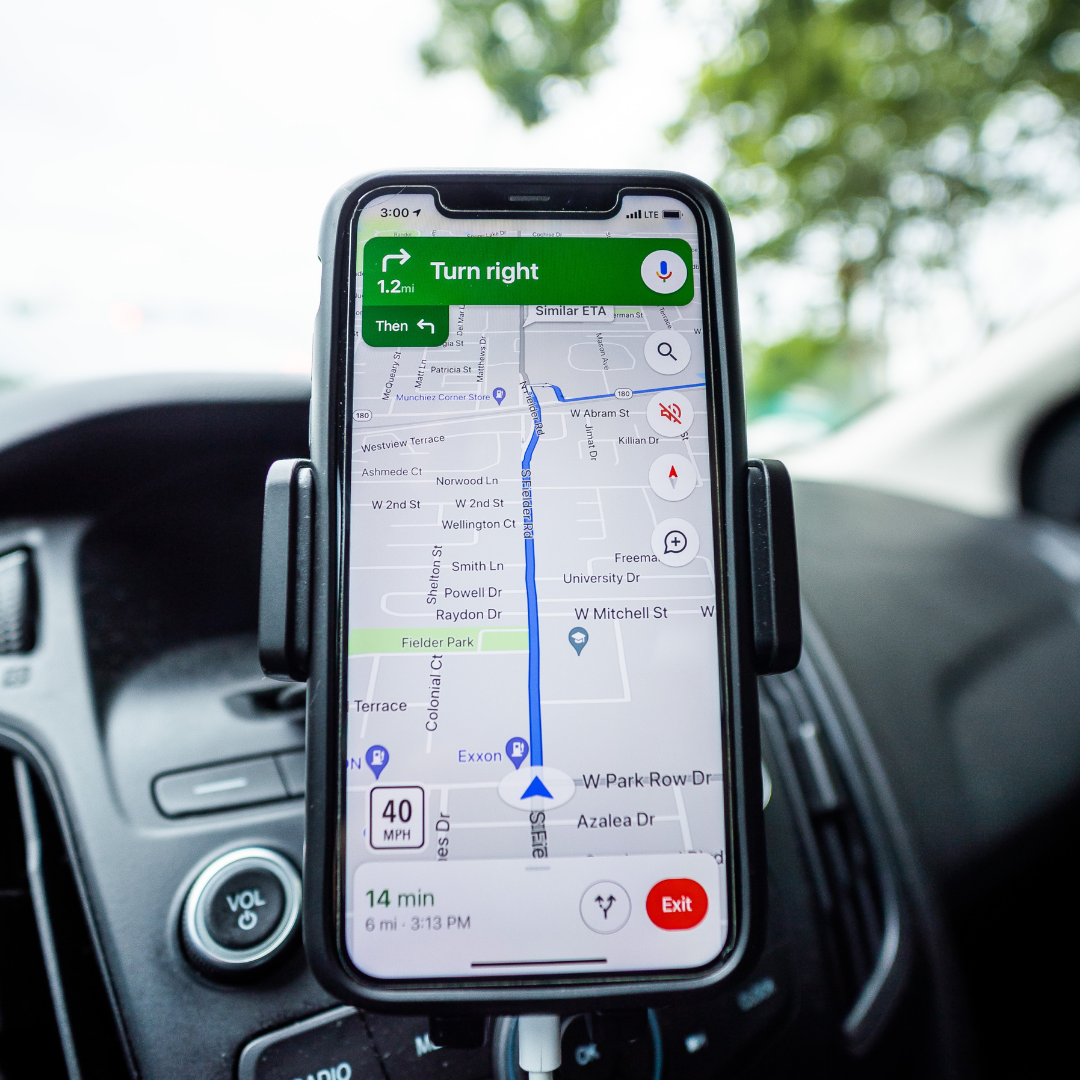
Rideshare platforms may track a variety of metrics, including speed, braking patterns, and the specific route taken. We seek to preserve this telemetric data to help reconstruct the events leading up to the incident. Such information can be instrumental in demonstrating how a driver’s behavior might have contributed to the accident, providing a clearer and more objective picture than memory-based witness testimony alone.
Analyzing Distracted Driving Through App Usage
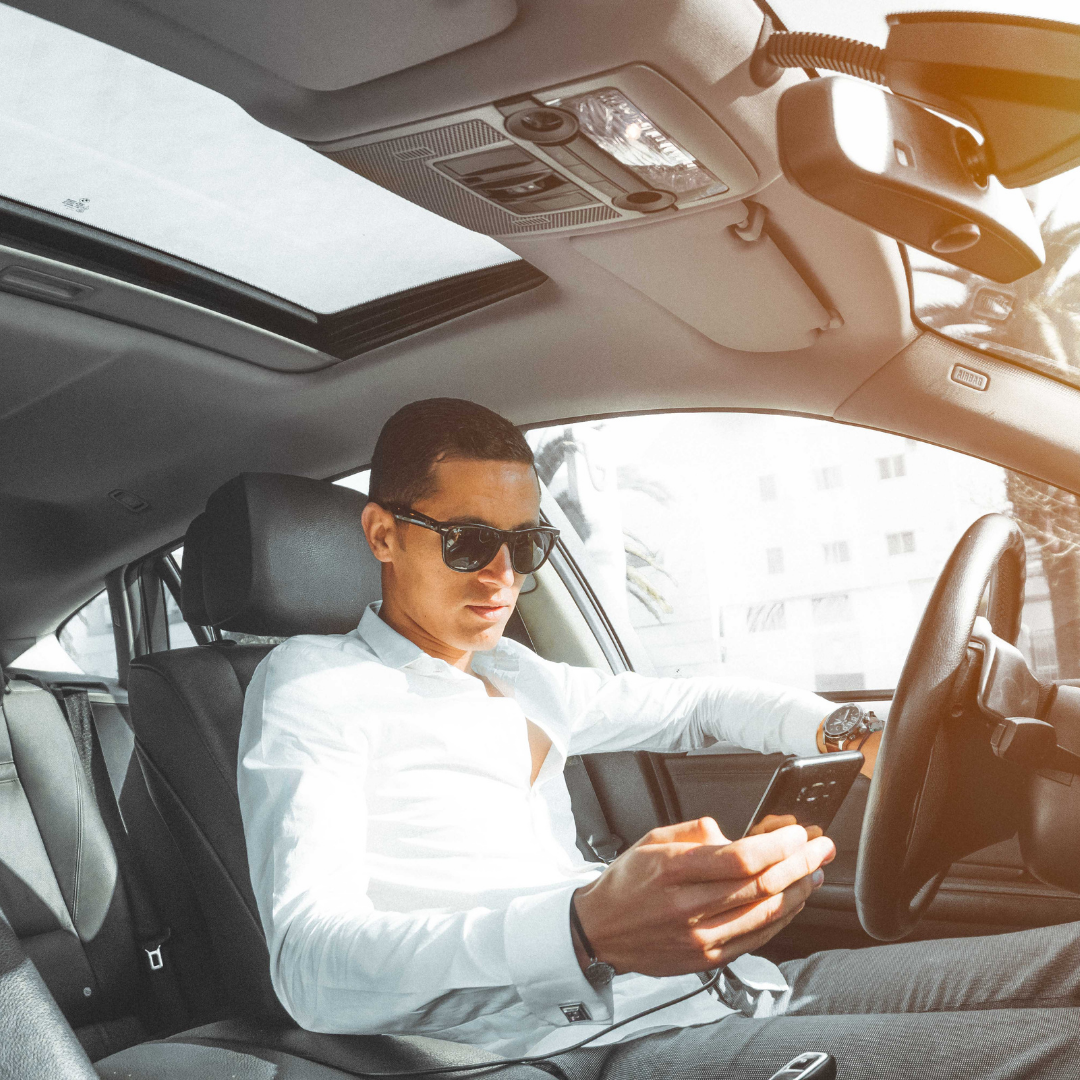
Digital evidence may also provide insights into whether a driver was distracted by their device at the moment of impact. By analyzing app activity and notification logs, it may be possible to determine if the driver was interacting with the rideshare interface instead of focusing on the road. Our personal injury experts prioritize the discovery of these records to support our clients’ pursuit of accountability against negligent parties.
Utilizing Dashcam and External Digital Footage
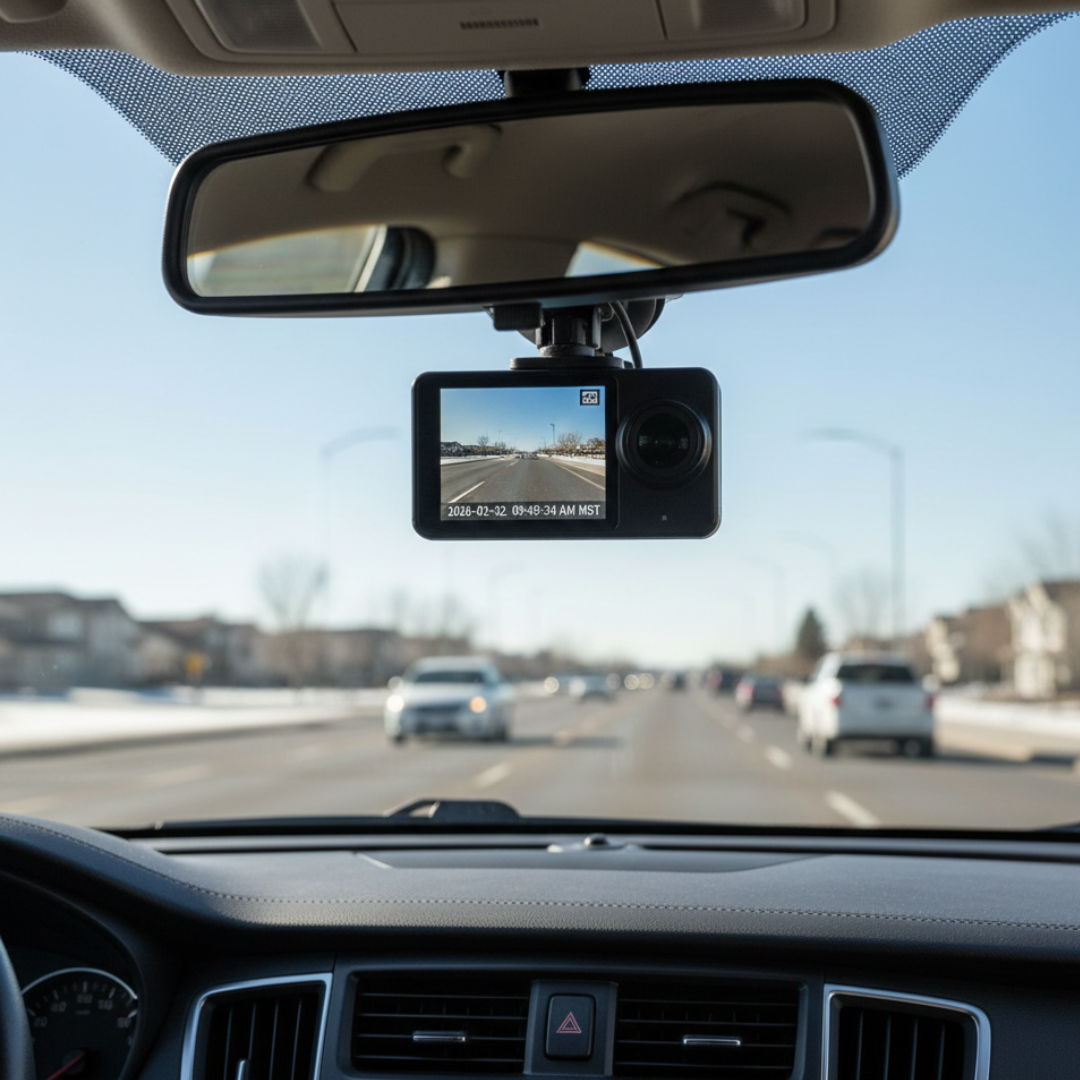
Many rideshare drivers utilize internal dashcams, and nearby businesses or city infrastructure often capture external digital footage. We investigate the availability of these recordings to provide a visual account of the accident dynamics. This type of digital evidence can be a powerful tool in resolving disputes over who had the right of way or whether a traffic signal was ignored.
The Role of Mobile Communication Records
In addition to app data, personal mobile records can reveal if a driver was engaged in a phone call or sending text messages at the time of the crash. While rideshare apps have their own communication systems, personal distractions remain a leading cause of collisions. We follow strict legal procedures to request the preservation of these records when they are relevant to establishing negligence.
Preserving Electronic Records Before They Disappear
Electronic data is notoriously fragile and may be overwritten or deleted if not promptly secured through formal legal channels. We take immediate steps to issue spoliation letters, which notify rideshare companies of their obligation to preserve relevant digital evidence. This proactive approach ensures that vital information remains available to support our clients’ claims throughout the litigation process.
At Salazar & Velazquez, P.C., we are dedicated to uncovering the facts that could help secure a favorable outcome for our clients. Our experience in handling complex motor vehicle claims allows us to provide the thorough advocacy needed in the modern landscape. If you or a loved one has been involved in a rideshare incident, consider reaching out to our law firm in Houston for a free case evaluation. Contact us today to learn more about your potential legal options and how we may be able to assist you.