
When a large commercial truck is involved in an accident, the consequences are often severe. At Salazar & Velazquez, P.C., we understand that these cases are fundamentally different from a typical car accident. Collisions involving 18-wheelers, semi-trucks, and other large commercial vehicles are governed by a complex set of federal regulations. These rules, set by the Federal Motor Carrier Safety Administration (FMCSA), can be critical in establishing liability and building a strong personal injury claim here in Houston.

Understanding Hours-of-Service (HOS) Violations
To combat driver fatigue, the FMCSA strictly limits the number of consecutive hours a commercial driver can be on duty and behind the wheel. We often investigate the driver’s electronic logging device (ELD) or logbooks. If a driver violated these HOS rules, it can serve as powerful evidence of negligence, suggesting fatigue may have been a contributing factor to the crash. This is a crucial area of inquiry that doesn’t exist in standard car accident cases.

Investigating Driver Qualifications and Hiring
Motor carriers have a federal duty to ensure their drivers are qualified. This includes verifying they have a valid commercial driver’s license (CDL), a clean driving record, and have passed required medical exams and drug tests. We may investigate the carrier’s hiring and training records. If a company hired a driver they knew, or should have known, was unqualified or had a poor safety history, the company itself may be held liable for negligent hiring.

Analyzing Vehicle Maintenance and Inspection Records
Federal regulations mandate that commercial trucks undergo rigorous and regular inspections and maintenance. A trucking company must maintain detailed records of all repairs and service. A mechanical failure due to poorly maintained brakes, worn-out tires, or a steering defect is not just an unfortunate event. It can be direct evidence of negligence on the part of the motor carrier for failing to keep its fleet in safe, operable condition as required by law.
Examining Cargo Loading and Securement
There are specific federal rules detailing how cargo must be loaded, balanced, and secured. An improperly loaded truck—one that is overweight, unbalanced, or has unsecured freight—is at a high risk of rolling over or jackknifing. This is especially true if the cargo shifts during a sudden stop or turn. We can investigate the bill of lading and loading procedures to determine if a violation of these cargo rules contributed to the loss of control and the subsequent accident.
Preserving “Black Box” and Electronic Data
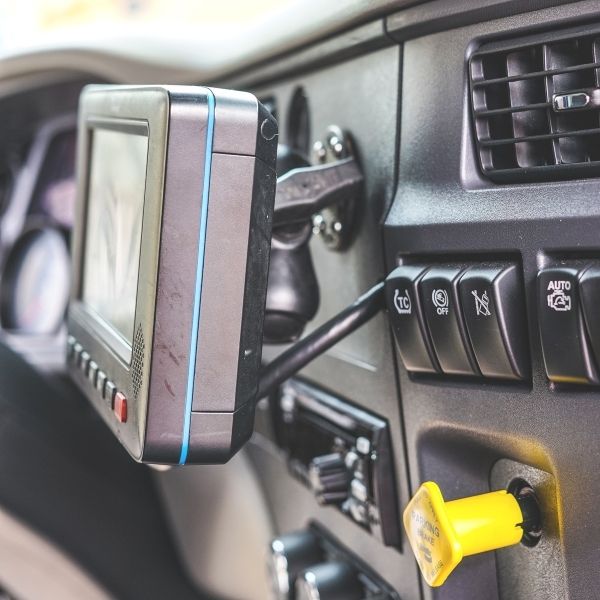
Most modern semi-trucks are equipped with an Electronic Control Module (ECM), often called a “black box.” This device records critical data, such as the truck’s speed, braking patterns, and other actions in the moments leading up to a crash. This data is invaluable, but it can also be recorded over or lost. A key step for a personal injury law firm is to send an immediate “spoliation letter” to the trucking company, legally demanding they preserve this electronic evidence.
Multiple Liable Parties
In a car accident, liability is often between the two drivers. In a truck accident, the net of potential liability is much wider. The driver, the trucking company (motor carrier), the owner of the ailer, the company that loaded the cargo, and even the truck’s manufacturer could all share a percentage of the fault. Identifying all responsible parties is a complex but essential task for ensuring our clients can pursue the full compensation they may be entitled to.
As you can see, the federal rules governing the trucking industry add many layers of complexity to a Houston semi-truck accident claim. These cases require a deep understanding of regulations that simply don’t apply to other personal injury cases. If you or a loved one has been injured, our team at Salazar & Velazquez, P.C. has the experience to navigate these complexities. We invite you to contact our law firm for a free consultation to discuss your case and understand your legal options.